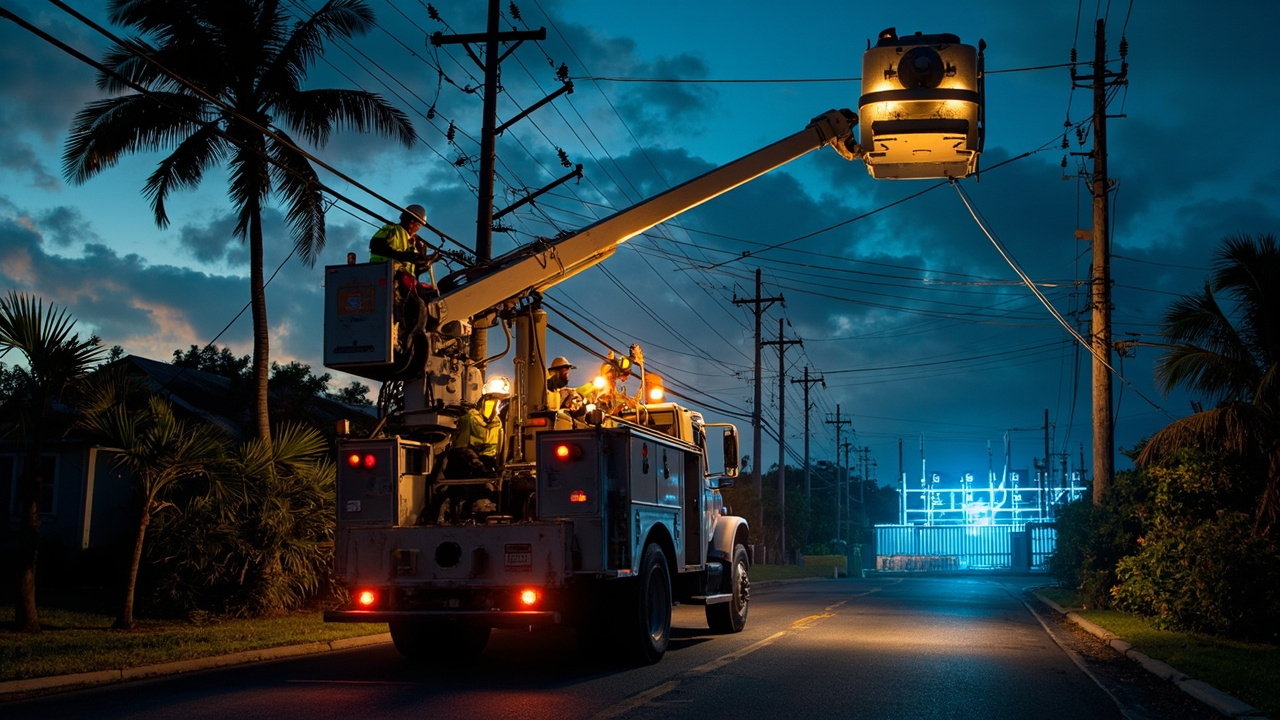
TL;DR: Restoring power after an outage requires checking your home for damage first, then restoring circuits and major appliances in stages while staying coordinated with your utility.
When the lights return after a blackout, the core question for households is not just when power comes back, but how to bring a home back online without causing damage, fire, or another outage. The answer, according to Ready.gov - Power Outages, is to treat restoration as a staged process: confirm the outage status with your utility, check for damage inside the home, reset protection devices once, and re-energize heating, refrigeration, well pumps, and electronics gradually rather than all at once.
The newest verified federal guidance on this process emphasizes the same sequence. According to U.S. Department of Energy - Power Outage Safety and Recovery, households should keep refrigerators closed during the outage, unplug sensitive electronics to prevent surge damage, leave one light on to signal restoration, and avoid resetting equipment that shows signs of flooding, burning, or physical damage until it has been inspected. That staged approach protects both household systems and utility crews working to stabilize the grid.
For preparedness-minded households, restoration begins before the outage ends. The steps below explain what restoration means, why utilities restore in order, and exactly how to check panels, restart appliances, use backup power safely, and rebuild readiness for the next event, drawing on federal and American Red Cross - Power Outage Safety guidance.
What Restoring Power Actually Means for a Home
Utility restoration and home restoration are two different tasks. Utility restoration means transmission lines, substations, and distribution feeders are re-energized and stable, a process utilities sequence by priority to hospitals, emergency services, and the largest blocks of customers first. Home restoration means your service drop, meter, main breaker, branch circuits, and appliances are safe to re-energize and can carry load without tripping or overheating.
That distinction matters because lights in one room do not mean the whole system is stable. According to Ready.gov - Power Outages, customers should confirm with their utility whether power has been fully restored to their address or whether intermittent cycling, partial voltage, or planned switching is still underway. If neighbors have power and you do not, the problem may be a tripped main, a damaged service mast, or a single-house fault that requires an electrician and a utility notification.
Households should also understand flicker and cycling during early restoration. Utilities may briefly energize, de-energize, and re-route circuits to balance load and isolate faults. According to U.S. Department of Energy - Power Outage Safety and Recovery, leaving major appliances unplugged or switched off during this period reduces surge exposure and prevents a sudden demand spike that can trip a home breaker or stress a recovering feeder.
Why Utilities Restore Some Areas Before Others
Utilities do not restore homes in the order outages were reported. They follow a repair hierarchy designed to restore the greatest public safety benefit and the largest number of customers with each repair. High-voltage transmission lines and substations come first, then main distribution lines, then neighborhood taps, then individual service drops to homes.
This hierarchy is why a household can report early and still wait longer than a hospital, water plant, or dense neighborhood served by an intact main. According to American Red Cross - Power Outage Safety, households should plan for extended disruption even after generation recovers, keeping emergency kits, water, medications, and backup charging accessible until the utility confirms area-wide stability.
For household planning, the lesson is to monitor utility outage maps, text alerts, and estimated restoration times without assuming the first estimate is final. According to Ready.gov - Power Outages, residents should report their outage directly rather than assuming a neighbor reported it, provide contact information for callbacks, and keep a battery-powered radio available to receive updates if cellular networks or home internet remain down.
First Safety Checks Before You Reset Anything
Do not rush to the breaker box the moment lights flicker. Start with a two-minute safety sweep of the home interior and exterior, looking for hazards that restoration could make worse. Check for flooded outlets, wet electrical panels, fallen service wires, damaged masts, gas odors, smoke, or scorch marks around appliances and the furnace.
According to U.S. Department of Energy - Power Outage Safety and Recovery, any equipment that has been flooded, shows burn damage, or was in contact with water should stay off until inspected by a qualified electrician or service technician. Turning on a wet furnace, water heater, well pump, or air conditioner can cause short circuits, motor burnout, or fire, even if utility voltage appears normal.
If you smell gas, hear hissing, see sparking, or find standing water in contact with outlets or the panel, stop and leave the area. According to Ready.gov - Power Outages, residents with suspected gas leaks or electrical damage should leave the home, call emergency services and the utility from a safe location, and not operate switches, breakers, or appliances until professionals declare the area safe.
How to Inspect Without Creating New Risk
Use a flashlight, not candles, for inspection to avoid fire during unstable power. Keep hands dry, wear dry shoes, stand on a dry surface, and never touch a breaker, cord, or appliance with wet hands. If the panel is hot, buzzing, wet, or corroded, do not open it and call an electrician.
Unplug sensitive electronics, surge-sensitive medical chargers, gaming systems, and anything that was running when power failed. According to American Red Cross - Power Outage Safety, unplugging major electronics protects against voltage spikes when power returns and makes staged restart easier to control room by room.
How to Reset Breakers, GFCIs and Main Power Safely
Once the home shows no damage and the utility indicates service is restored or attempting restoration, move to the electrical panel. Turn off or unplug large loads first, including space heaters, electric stoves, air conditioners, electric water heaters, well pumps, sump pumps with switches, and shop tools, so the initial reconnection carries only lights and small loads.
Check the main breaker position. If it tripped to the middle or off position, switch branch breakers to off, then switch the main fully off and then fully on with a firm motion while standing to the side and looking away. According to Ready.gov - Power Outages, breakers that immediately trip again signal a persistent fault and should not be forced on repeatedly; leave that circuit off and call an electrician.
Reset branch circuits one at a time, pausing between each to watch for trips, buzzing, or odors. Reset ground-fault circuit interrupter outlets in kitchens, baths, garages, and outdoors by pressing reset after power stabilizes. If a GFCI will not reset, leave connected appliances unplugged and have that circuit checked before normal use resumes.
How to Bring Back Appliances in the Right Order
Staged restart prevents overload and lets you spot damaged equipment early. Start with lights and small loads, then refrigeration, then heating and water systems, then large cooking and laundry loads. Wait several minutes between stages to let motors start and stabilize.
Plug in the refrigerator and freezer first and check temperatures before returning food. According to American Red Cross - Power Outage Safety, a refrigerator that held at safe cold with doors closed can preserve food for a limited time, but perishable food that rose above safe cold for an extended period should be discarded, and when in doubt, throw it out rather than tasting to check safety.
Next restore heating, cooling, and water. Set thermostats to a moderate setting rather than an extreme demand, and restart well pumps, sump pumps, and electric water heaters only if panels, controls, and surrounding areas are dry. According to U.S. Department of Energy - Power Outage Safety and Recovery, heating systems with electronic controls may need a thermostat reset or a power-cycle sequence after an outage, and homeowners should follow manufacturer instructions rather than repeatedly cycling power.
Generator and Battery Shutdown During Restoration
Backup power requires its own shutdown sequence when utility power returns. Running a portable generator in parallel with restored utility power can backfeed lines and endanger lineworkers, damage the generator, and start a fire. Never connect a portable generator directly to a wall outlet or operate it indoors, in a garage, or near windows.
According to Ready.gov - Power Outages, portable generators must operate outdoors far from the home with exhaust directed away, and transfer to utility power should follow a safe order: turn off and unplug generator-fed loads, shut down and cool the generator, disconnect cords or switch off an installed transfer switch, then restore utility-fed breakers gradually. Homes with a professionally installed automatic transfer switch should still verify the switch has returned to utility mode and check indicator lights.
Battery stations and solar-plus-battery systems also need attention. Switch battery inverters from island or backup mode back to normal, check charge levels, and reconnect routine loads gradually so the inverter does not carry the entire house surge at once. Keep one phone charger and one light on utility power first to confirm stability before moving computers, medical chargers, and other critical loads off battery reserve.
Food, Water, Medical and Heating Checks After Power Returns
Restoration is not complete when appliances hum. Households must verify that cold, heat, water, and medical systems are actually safe and functional. Check refrigerator thermometers, listen for normal compressor cycling, and discard melted, warm, or odor-questionable perishables, especially meat, dairy, and prepared foods.
For homes on private wells, run taps briefly to check pump pressure, listen for short-cycling, and look for leaks at pressure tanks and filters. Homes on municipal water under a boil-water advisory should not assume restored power lifts the advisory; continue boiling or using stored safe water until the water authority confirms safety. Keep stored emergency water sealed until normal service is verified.
Check medical devices, refrigerated medications, and heating for vulnerable residents. According to American Red Cross - Power Outage Safety, people dependent on powered medical equipment should maintain a backup plan with extra batteries, manual alternatives, and a contact list for power companies, equipment suppliers, and caregivers, and should verify device operation and charge immediately after restoration rather than waiting until nighttime.
How to Report, Track and Confirm Utility Restoration
Active communication shortens household uncertainty and helps utilities locate single-home faults. Report your outage through the utility outage line, app, or website, even if neighbors have reported, and then enroll in text or email restoration alerts for your address. Save the utility emergency number in a phone and on paper in case batteries die.
Provide precise information: address, meter location, whether the service mast or drop is visibly damaged, whether part of the house has power, and a callback number. According to Ready.gov - Power Outages, clear reporting helps dispatchers distinguish between feeder-level outages and individual service problems that need a separate truck visit after area lines are repaired.
After alerts say restored, verify stability before resuming normal routines. Confirm steady lighting without dimming, test outlets in several rooms, check that the electric meter shows normal operation with no error flags, and wait before running laundry, dishwashers, and electric vehicle charging simultaneously. If power cycles repeatedly, unplug major loads and report the condition again rather than forcing breakers.
Rebuilding Readiness for the Next Outage
Every outage is a test of household readiness. Once stable, recharge all battery banks, phones, radios, lanterns, and medical batteries, restock water, test the sump pump, and replace any blown fuses, tripped surge strips, or depleted fuel used during the event. Photograph any damage to appliances, food loss, or electrical components for insurance while details are fresh.
Restock emergency food that was consumed or discarded and rotate stored water. According to American Red Cross - Power Outage Safety, emergency kits should include water, nonperishable food, flashlights, batteries, a manual can opener, medications, and copies of critical documents, all stored where they can be reached in the dark without entering flooded or damaged areas.
Finally, document what worked and what failed. Note how long refrigeration held, how quickly backup power depleted, whether alerts arrived, and which circuits tripped. According to U.S. Department of Energy - Power Outage Safety and Recovery, households that review backup plans, maintain equipment, and keep contact lists current recover faster in the next emergency and place less sudden load on the grid during system-wide restoration.